Safe{Wallet} Design System

Design System

Web3

Safe{Wallet} Design System

Design System

Web3

I was invited to help establish a unified design foundation, aligning design and frontend standards while shaping a system that could serve both internal needs and the broader Web3 community.

I was invited to help establish a unified design foundation, aligning design and frontend standards while shaping a system that could serve both internal needs and the broader Web3 community.

Scope

Design System

Role

Senior Product Designer

Timeline

Aug - Oct, 2023

Read

3 min

Scope

Design System

Role

Senior Product Designer

Timeline

Aug - Oct, 2023

Read

3 min

Scope

Design System

Role

Senior Product Designer

Timeline

Aug - Oct, 2023

Read

3 min

85+

likes at Figma Community

likes at Figma

1400+

users

33 000+

Ethereum.org

mention in article

Idea and challenge

  • The absence of a centralized design system led to inconsistencies between design and frontend implementation, creating misalignment in visual standards and component usage.

  • The strategic goal was to strengthen Safe’s presence in the Web3 design community by creating a publicly accessible design system.

Requirements

The system had to meet both internal scalability standards and public distribution requirements:

  • Components must be built auto-layout and nested instances;

  • Support both Light and Dark modes based on shared color variables;

  • Follow consistent technical naming conventions;

  • Typography

  • Grids

  • Complex components

  • Use structured color variables;

  • Support both Light and Dark modes based on shared color variables;

  • Follow consistent technical naming conventions;

  • Typography

Success metrics

#1

Publish the design system before end of 2023

#2

Achieve 50+ copies in the Figma Community before end of 2023

#3

Maintain a 4.5+ rating in the Figma Community before end of 2023

Maintain a 4.5+ average rating from
users in the Figma Community

Approach

  1. Foundations

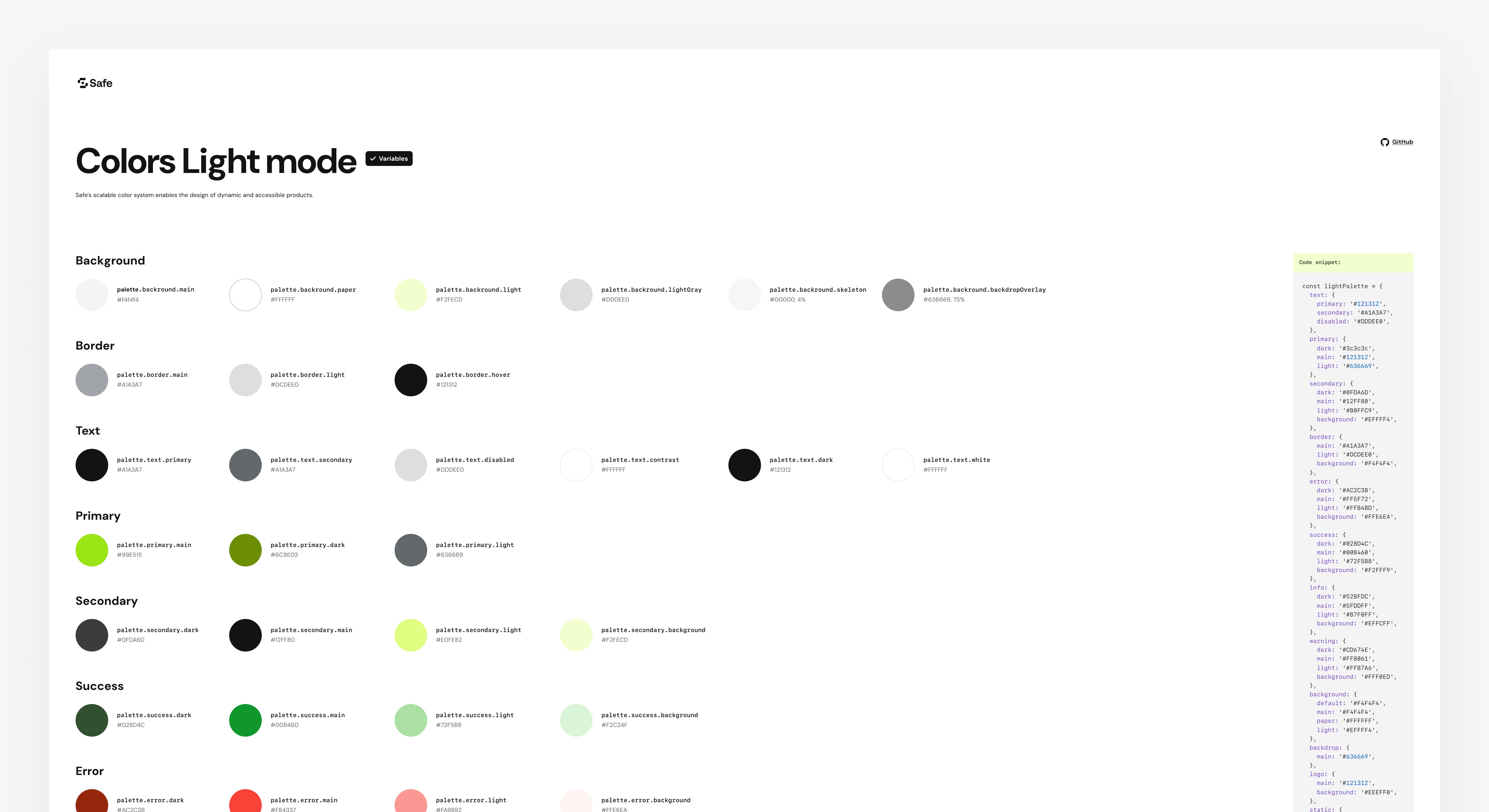
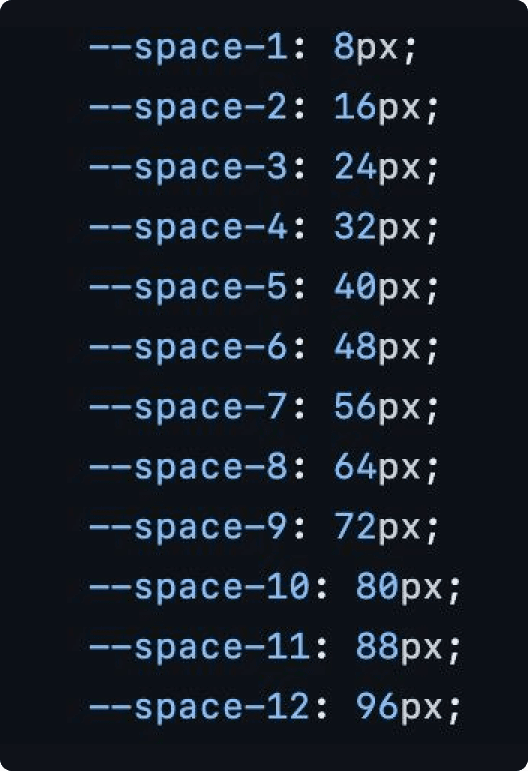
I began by auditing an existing Figma file containing draft components and styles. I migrated all colors into Figma Variables and synchronized spacing tokens with the frontend codebase to ensure design-development consistency.

Overall Safe{Wallet} frontend based on Material UI components. Sometimes it was crucial to rely on their standard components to verify behavior.

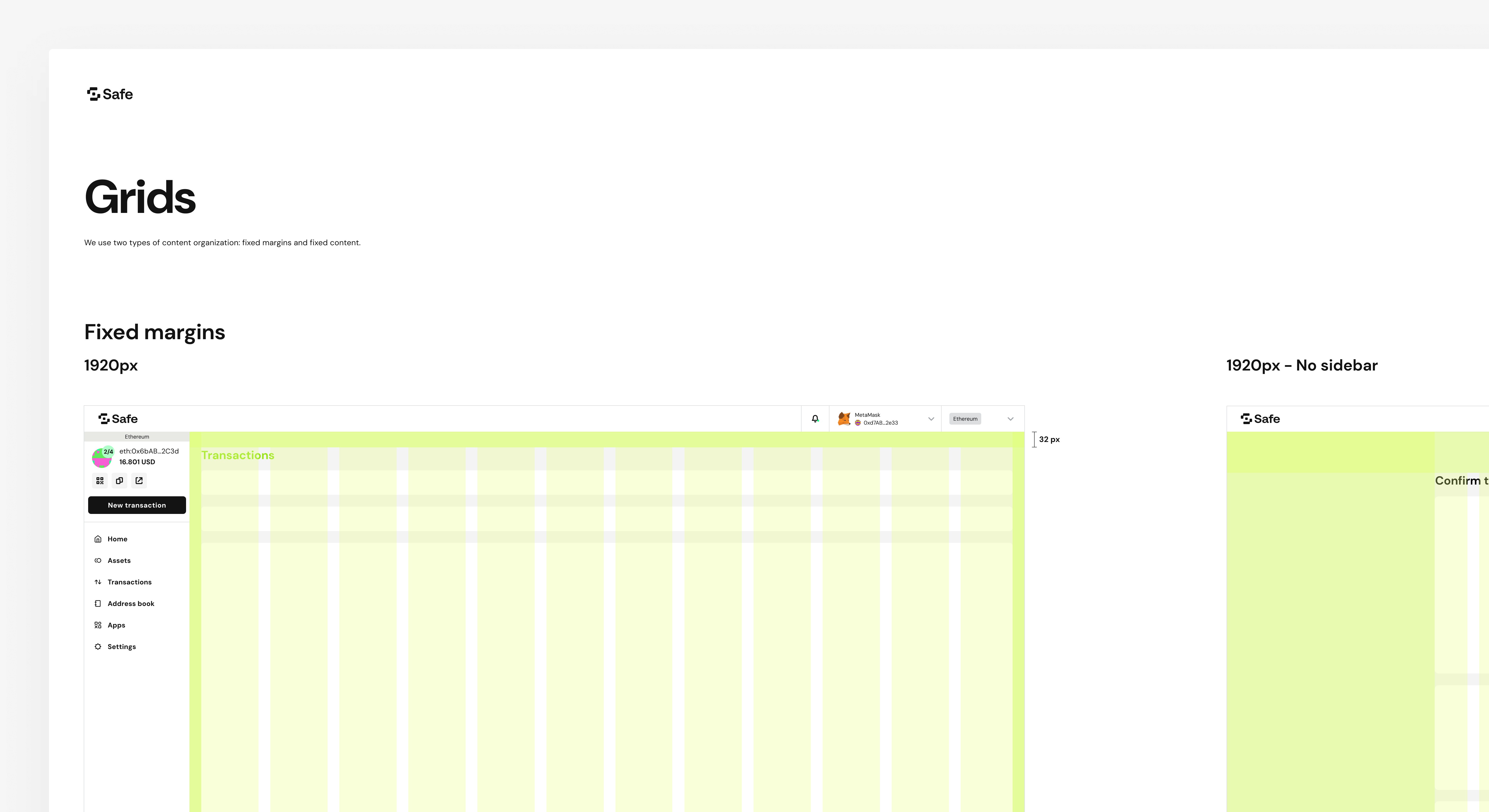
I also configured layout grids and added missing color tokens based on the frontend library to fully align the design system with the implemented UI.
Approach

  1. Components

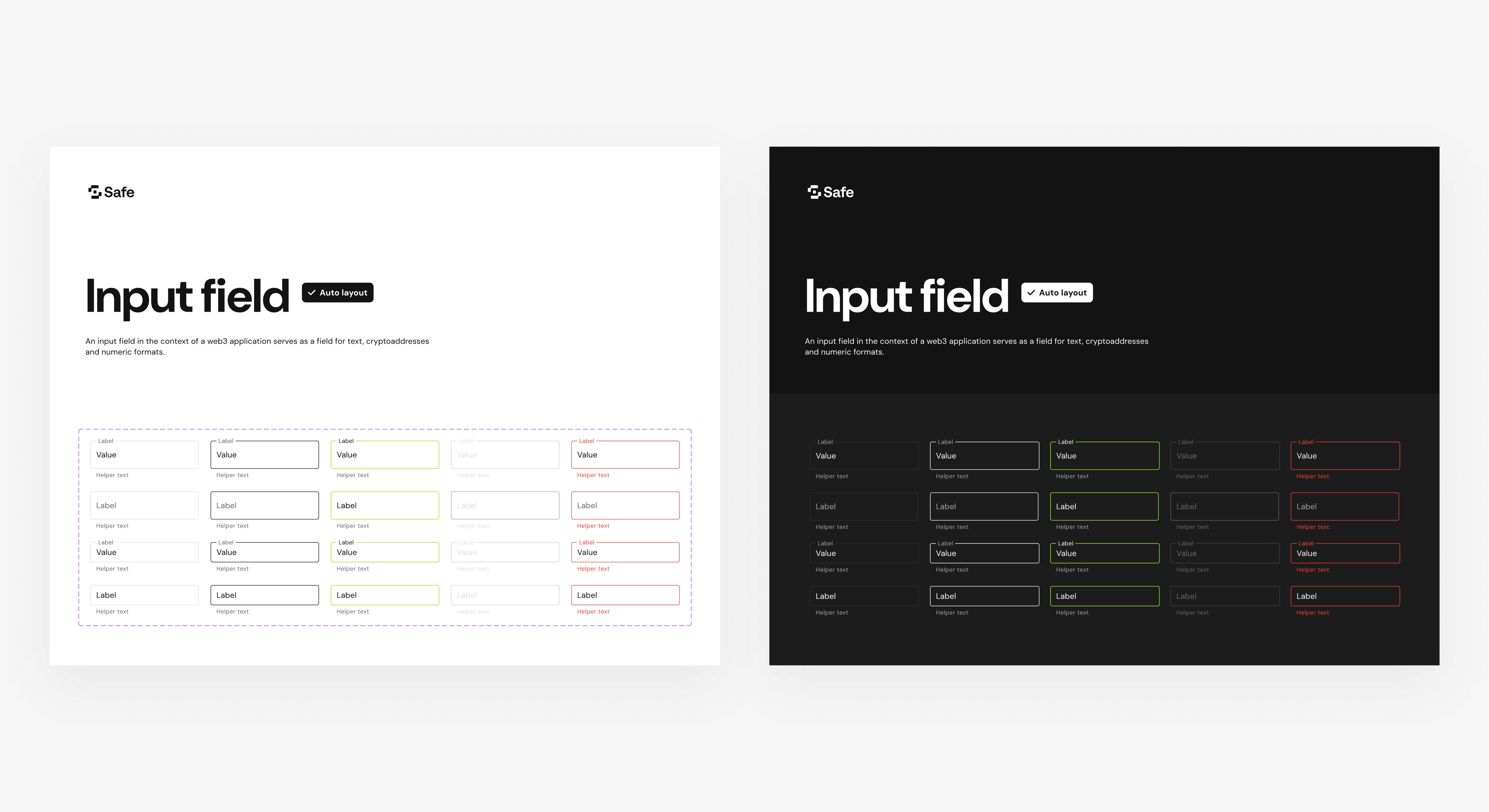
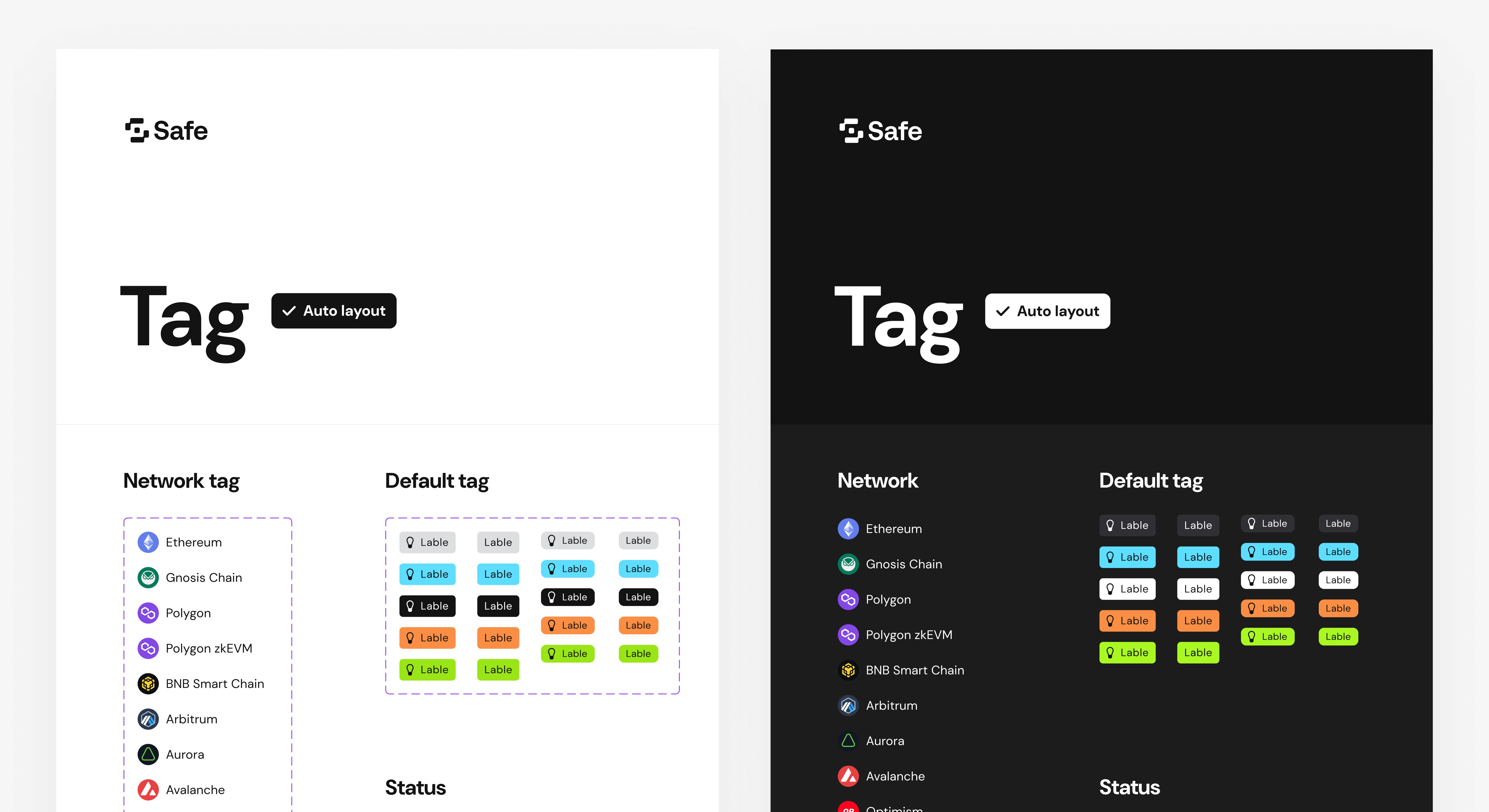
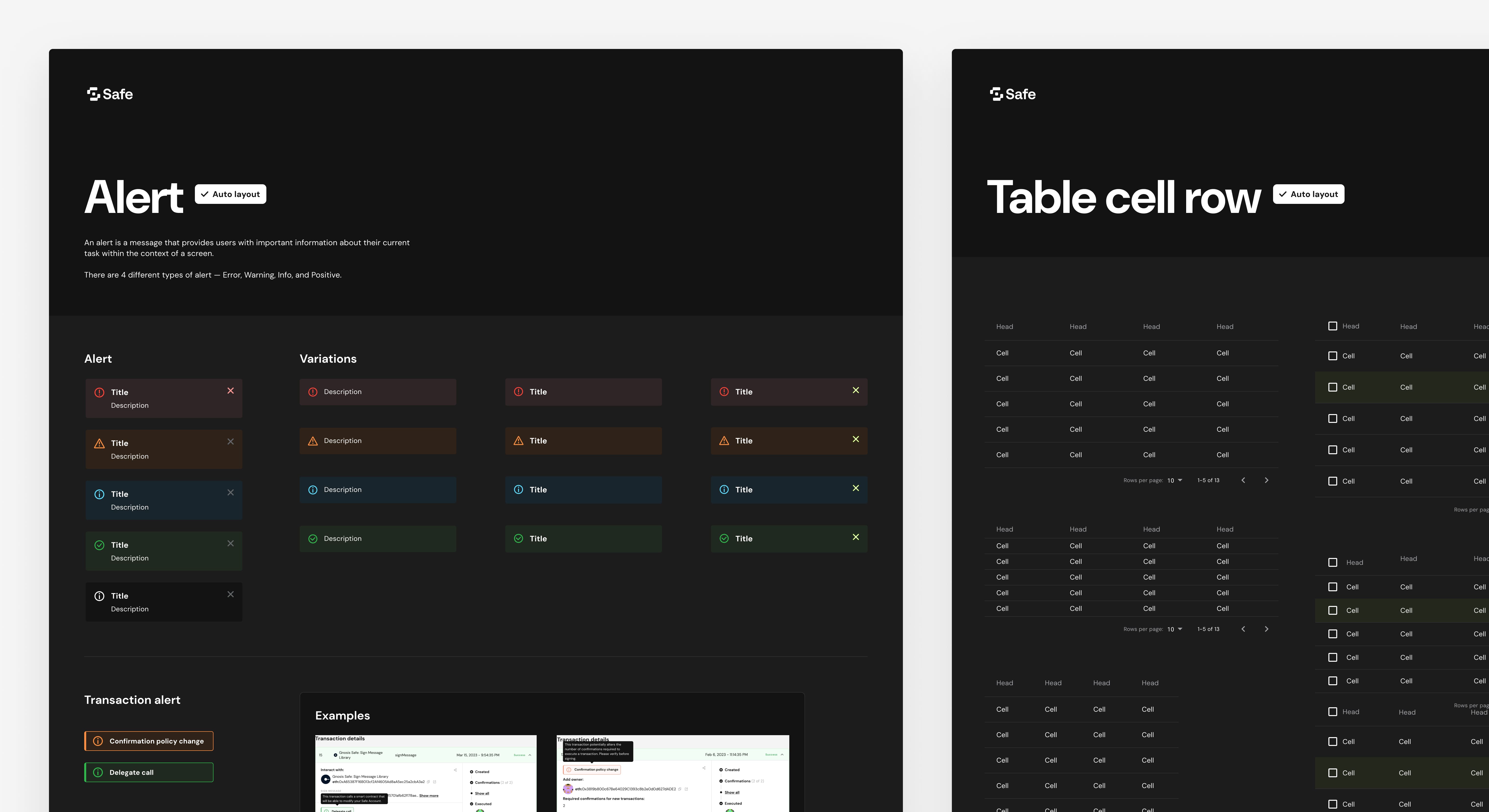
After configuring colors, spacing, and typography, I proceeded to design foundational components along with their interaction states, such as buttons, selects, input fields, checkboxes, radio buttons, etc.

After configuring colors, spacing, and typography,
I proceeded to design foundational components along with their interaction states, such as buttons, selects, input fields, checkboxes, radio buttons, etc.

Approach

  1. Organisms

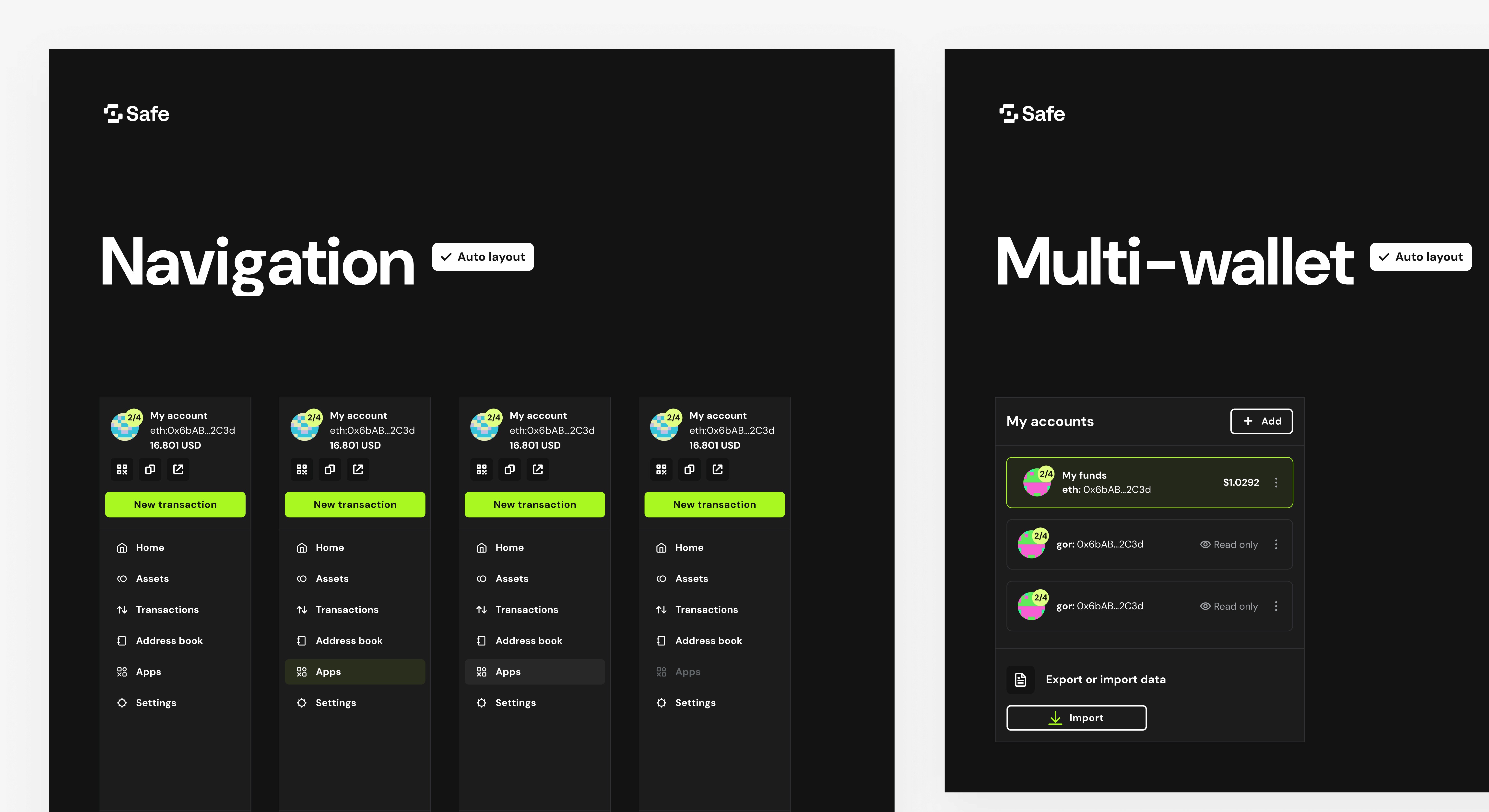
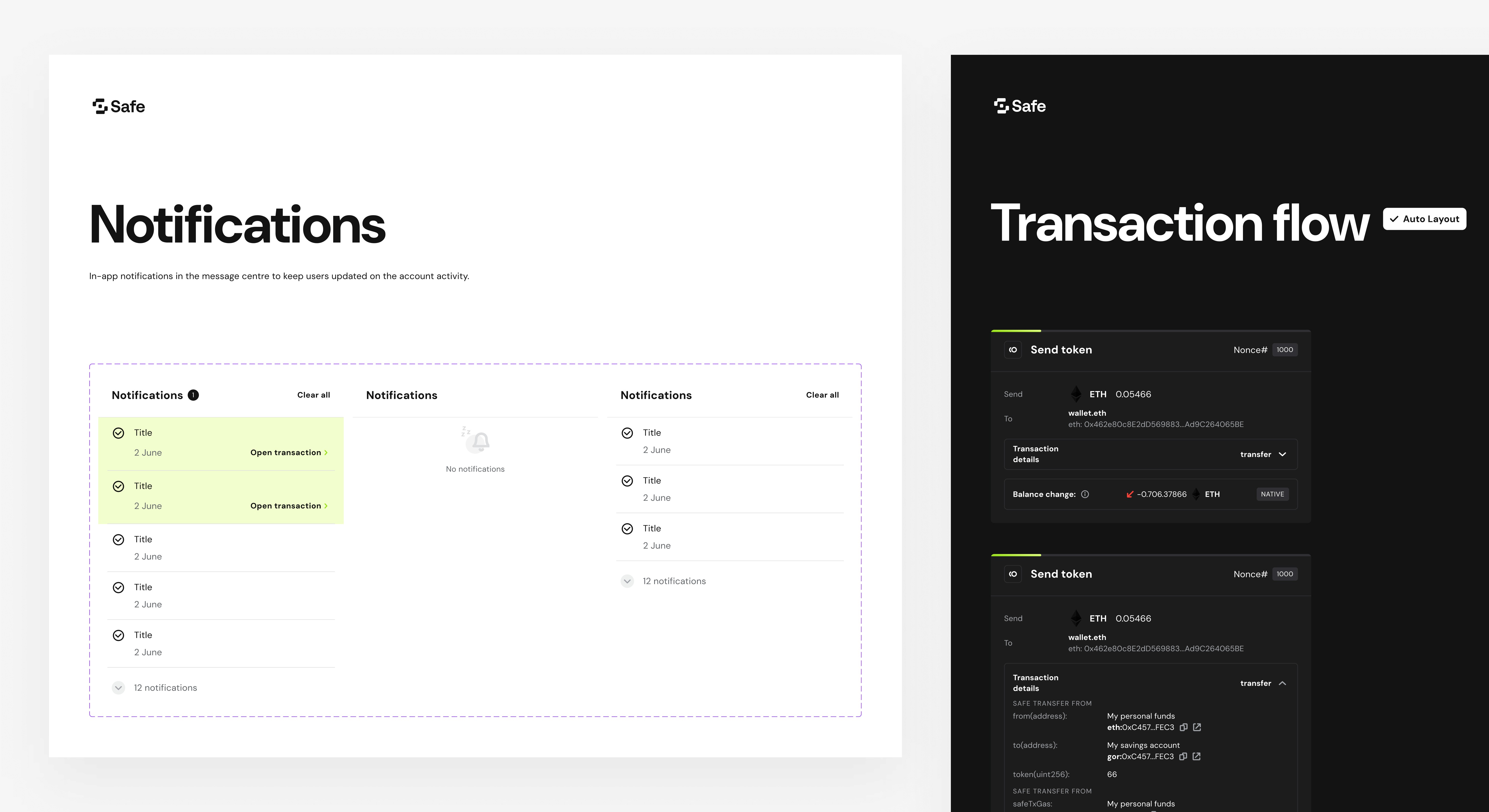
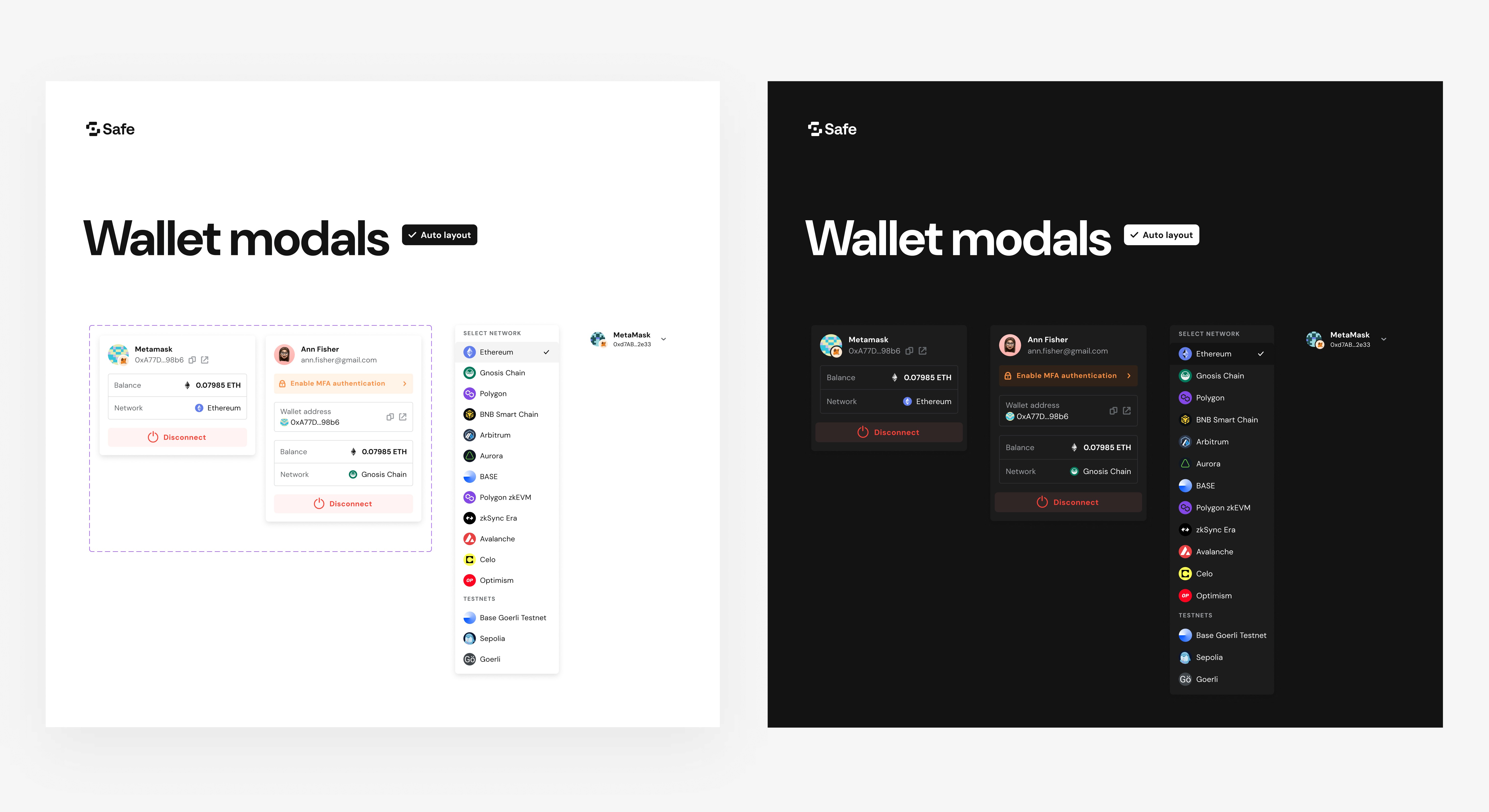
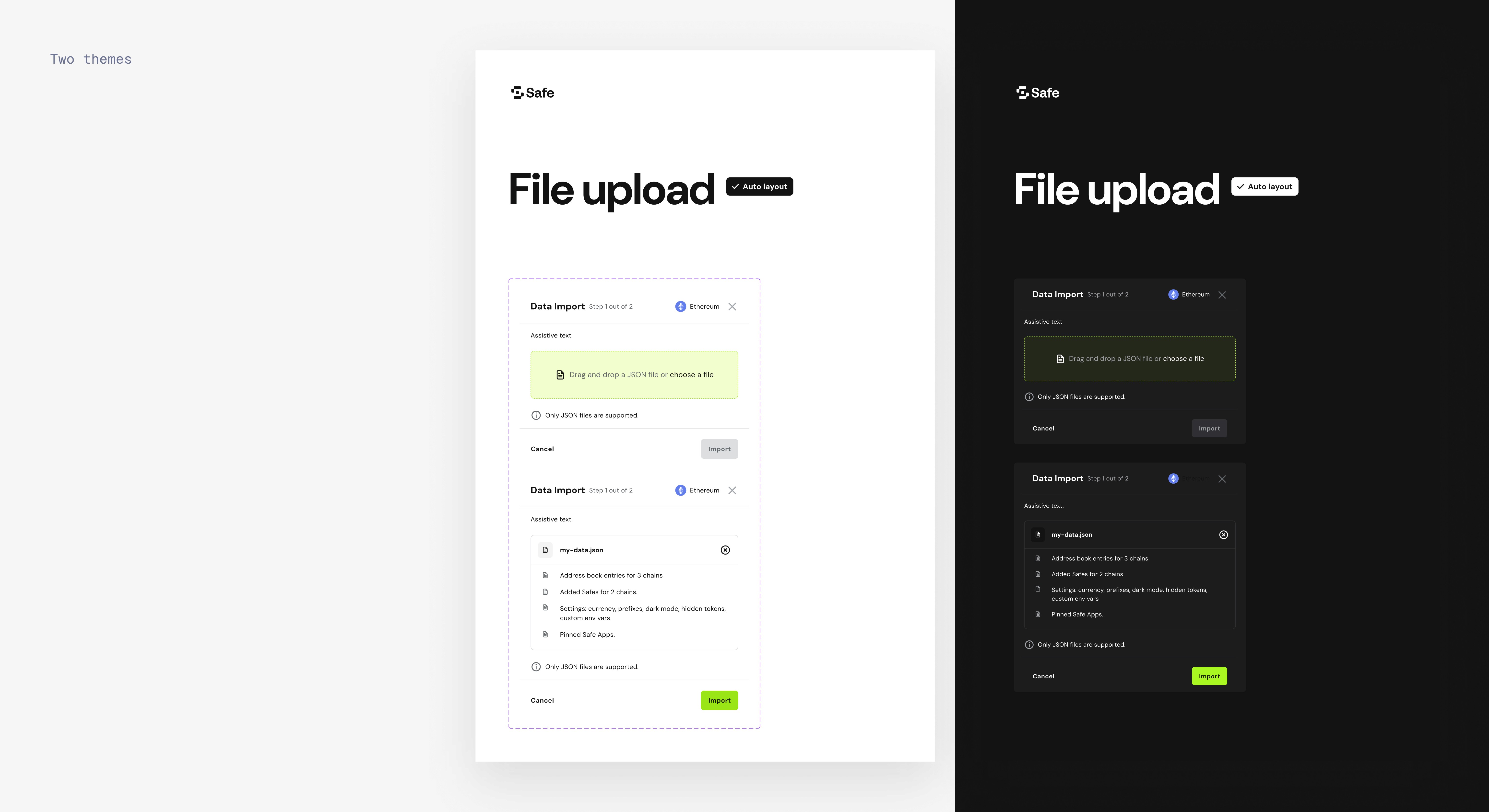
After completing foundations and base components, I moved on to the organisms level within the atomic design framework. At this stage, I assembled higher-level composite components — such as cards, sidebars, headers, and pagination.

All organisms were designed to support both light and dark themes.
Outcomes and learnings

I built a scalable and structured design foundation aligned with frontend implementation, improving consistency and long-term maintainability across the product.

The system gained strong traction in the Figma community — validating its relevance beyond internal use and contributing to the broader Web3 design ecosystem.

This project significantly strengthened my expertise in building complex design systems and structuring scalable workflows.

Also check out…
Steamify ― Skins Cashout
Steamify ― Trading Bot

Create a free website with Framer, the website builder loved by startups, designers and agencies.